
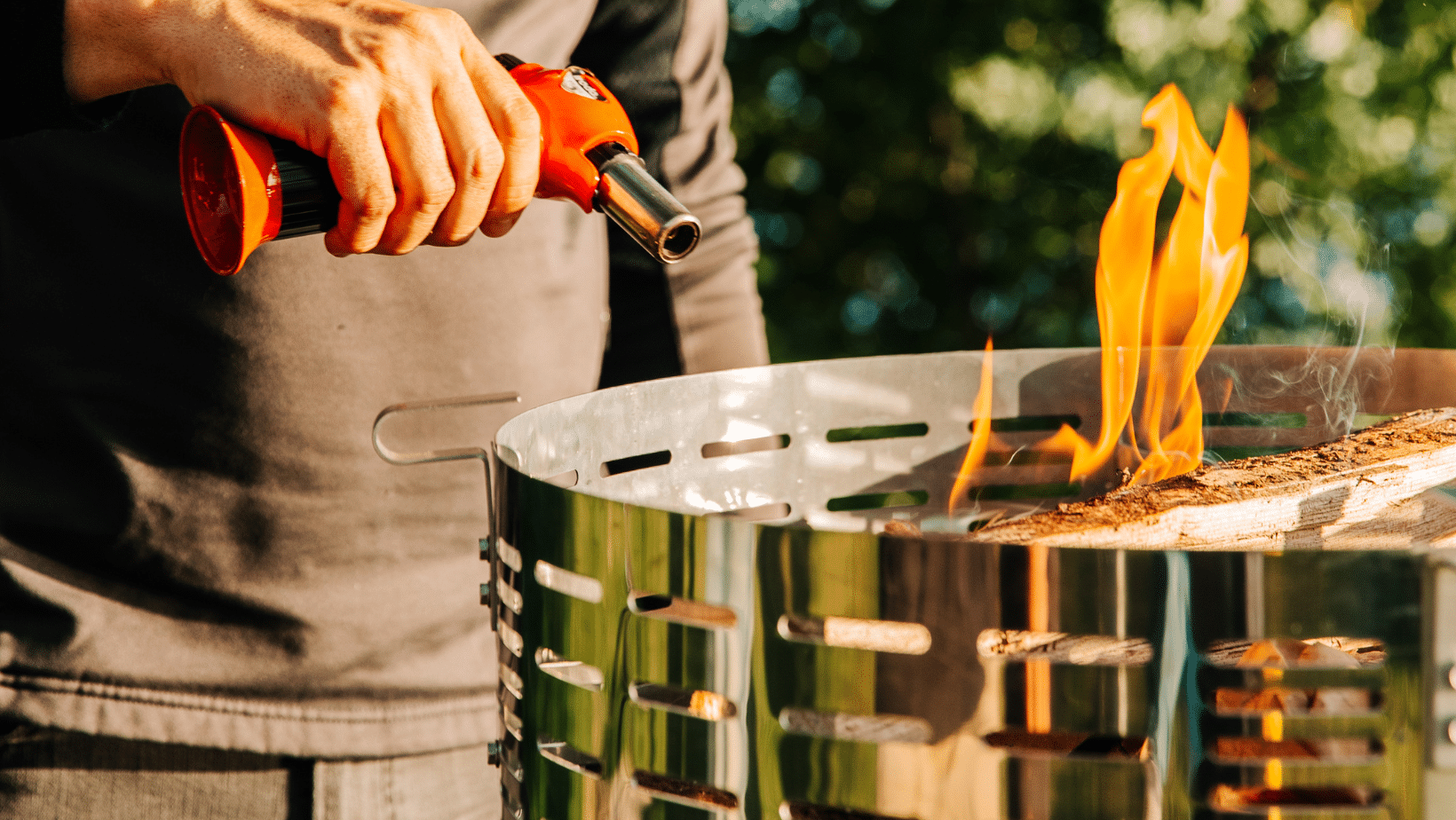
After spending my afternoon clearing brush, trimming branches, and dragging debris into a pile, I finally stop for a minute and take a sip of my Spotted Cow while looking across my property.
What started as a simple cleanup project somehow turned into a growing pile of limbs, cardboard, and yard waste waiting to be dealt with.
Here’s where the next challenge begins: disposal.
Hauling repeated loads off-site, or even for city pickup, takes time and can get costly. And leaving debris sitting around the property only creates more work later – and clutter.
Outdoor incinerators, designed to replace burn barrels, provide a controlled way to burn materials right in your backyard. However, it’s important to ensure safety before starting a fire.
Burn area setup, weather conditions, approved materials, airflow, and proper assembly…. they all affect how your burn performs.
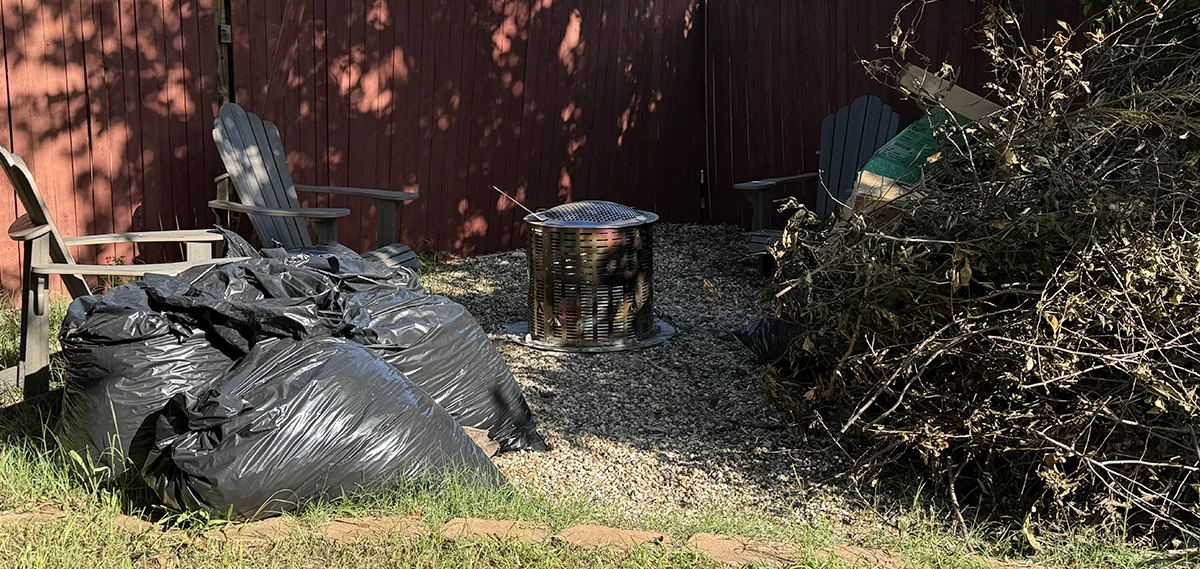
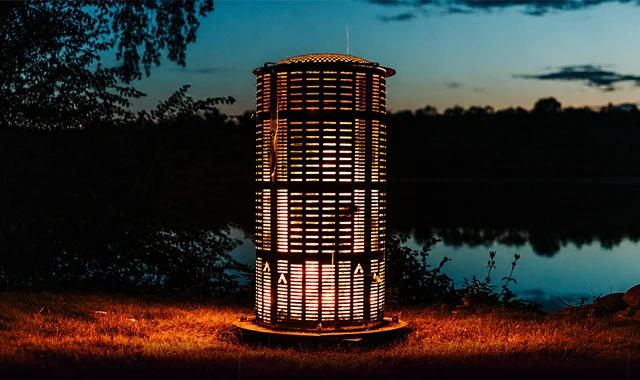
With a smaller yard, I use a small incinerator for handling lighter debris.
This guide covers how I’ve used my incinerator safely, and includes setup considerations, approved burn materials, assembly basics, and important safety practices to review before burning.
Safe Burn Barrel Setup and Preparation
Safe burning starts before the fire is ever lit. A few simple precautions ahead of time can make the process safer and easier to manage.
Before You Burn
You should never light an outdoor incinerator without first checking conditions in your area. Landowners know outdoor burning can change quickly depending on weather, dry conditions, and local restrictions.
Burn Permits and Outdoor Burning Rules
Burn permits and outdoor burning rules can vary quite a bit from one area to another.
In some locations, burning may be limited during dry stretches, drought conditions, or periods with elevated wildfire risk.
Check with your local fire department, county office, or environmental agency to confirm outdoor burning is currently allowed where you live.
Weather Conditions and Wind Gusts
Wind is another major factor to consider before lighting a fire.
Gusty conditions can carry sparks and embers farther than expected, especially around dry grass, brush, or open property.
Before burning, check the forecast and pay attention to changing conditions throughout the burn. If winds begin picking up or storms start moving in, extinguish the fire and monitor the area closely afterward.
Most importantly, keep all emergency contacts nearby whenever you plan to burn on your property, and be prepared to act quickly if conditions change.
Choose a Safe Location for Your Burn Barrel
Outdoor incinerators, including Burn Right models, should only be used outside in open, well-cleared areas. Place the unit on level ground in an open burn area, roughly 30 to 40 feet wide, with clear overhead space above the incinerator.
Avoid placing a burn barrel on wood decking, dry grass, or other combustible surfaces.
It’s also important to avoid burning near peat moss or overly dry ground materials that can continue smoldering underground long after the fire appears to have been put out.
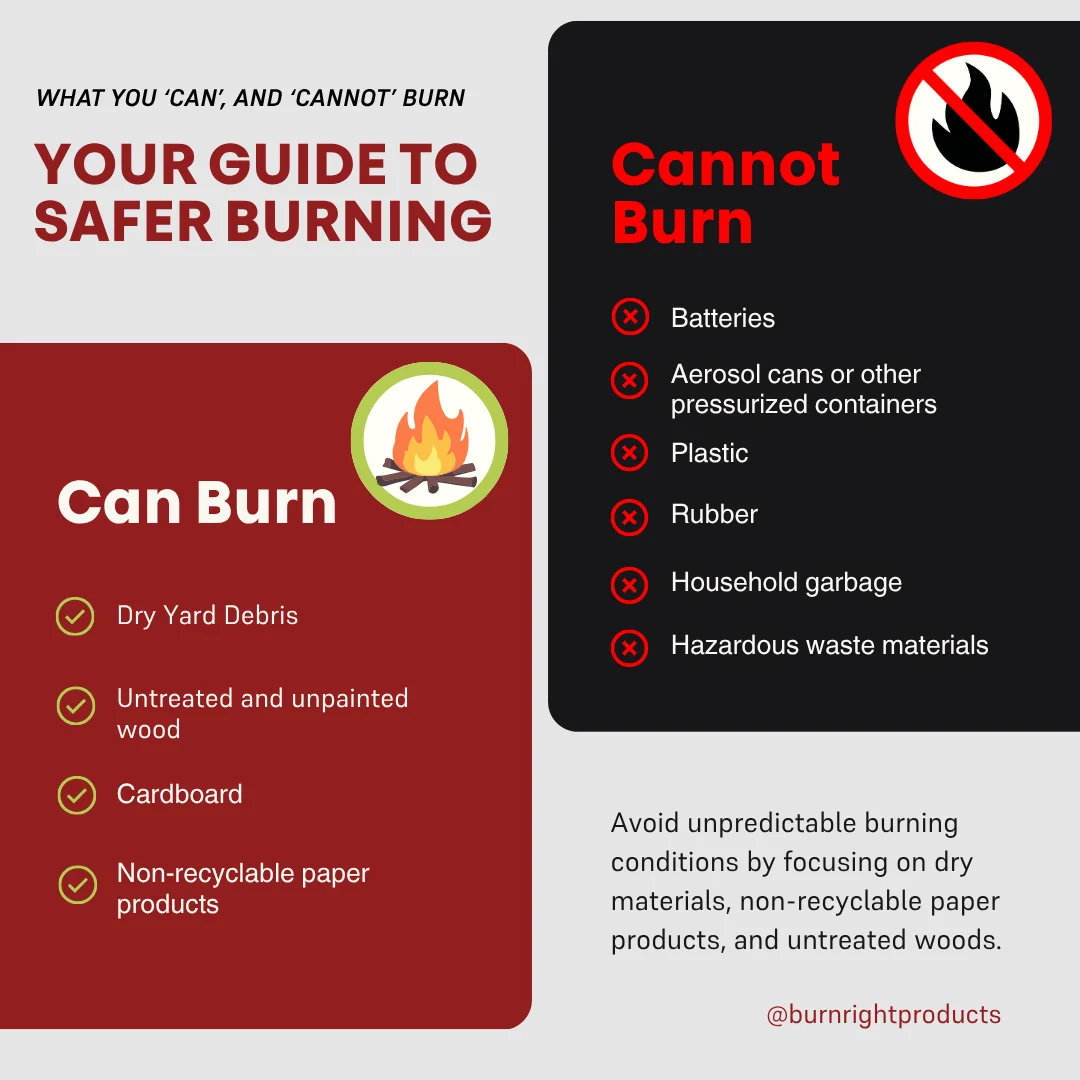
Know What You Can and Cannot Burn
What you load into a burn barrel affects how the fire burns, how much smoke it produces, and how safely it can be managed.
Dry materials generally burn hotter, more consistently, and with less smoke than damp or improperly mixed loads.
Some materials must never be burned in an outdoor incinerator, as they can produce heavy smoke, strong odors, and harmful chemicals, leading to unpredictable burning conditions.
Use the Right Safety Equipment
Outdoor incinerators generate extremely high temperatures, so having the right safety equipment nearby matters just as much as proper setup.
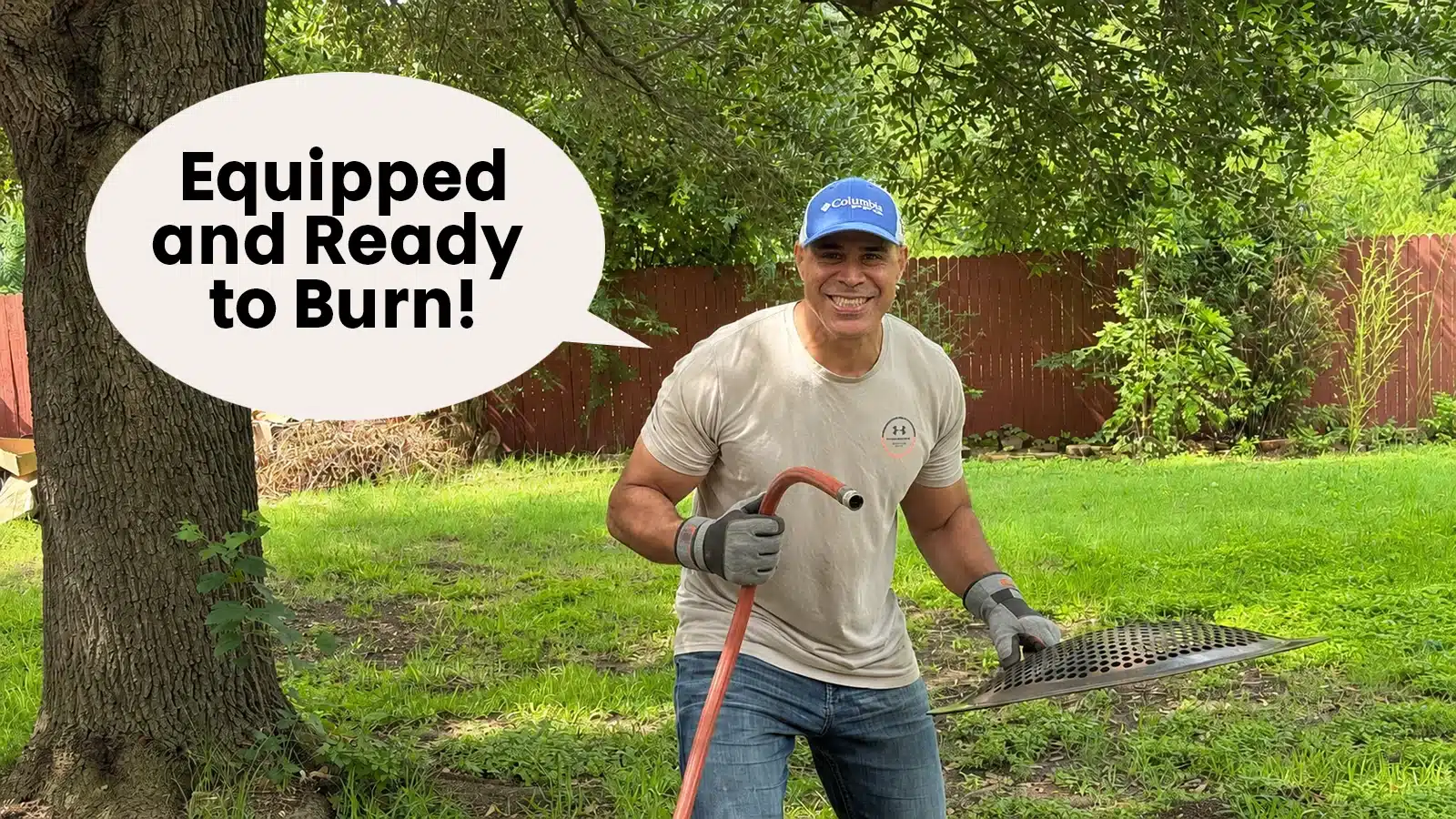
Heavy-duty or leather gloves should always be worn when handling hot components, adjusting the cover, removing ashes, or assembling the unit. Burn Right models also include a cover handle designed to help move and adjust the cover safely while the incinerator is in use.
It’s also important to keep a water hose nearby anytime you plan to burn. If weather conditions change unexpectedly or materials need to be extinguished quickly, having immediate access to water can help prevent a small situation from becoming a larger problem.
How to Burn Safely in a Burn Barrel
Once your burn area is prepared and the approved materials are loaded, the next step is to manage the fire itself. Small decisions during the burn can affect airflow, burn consistency, smoke levels, and overall safety.
Fully Assemble the Unit First
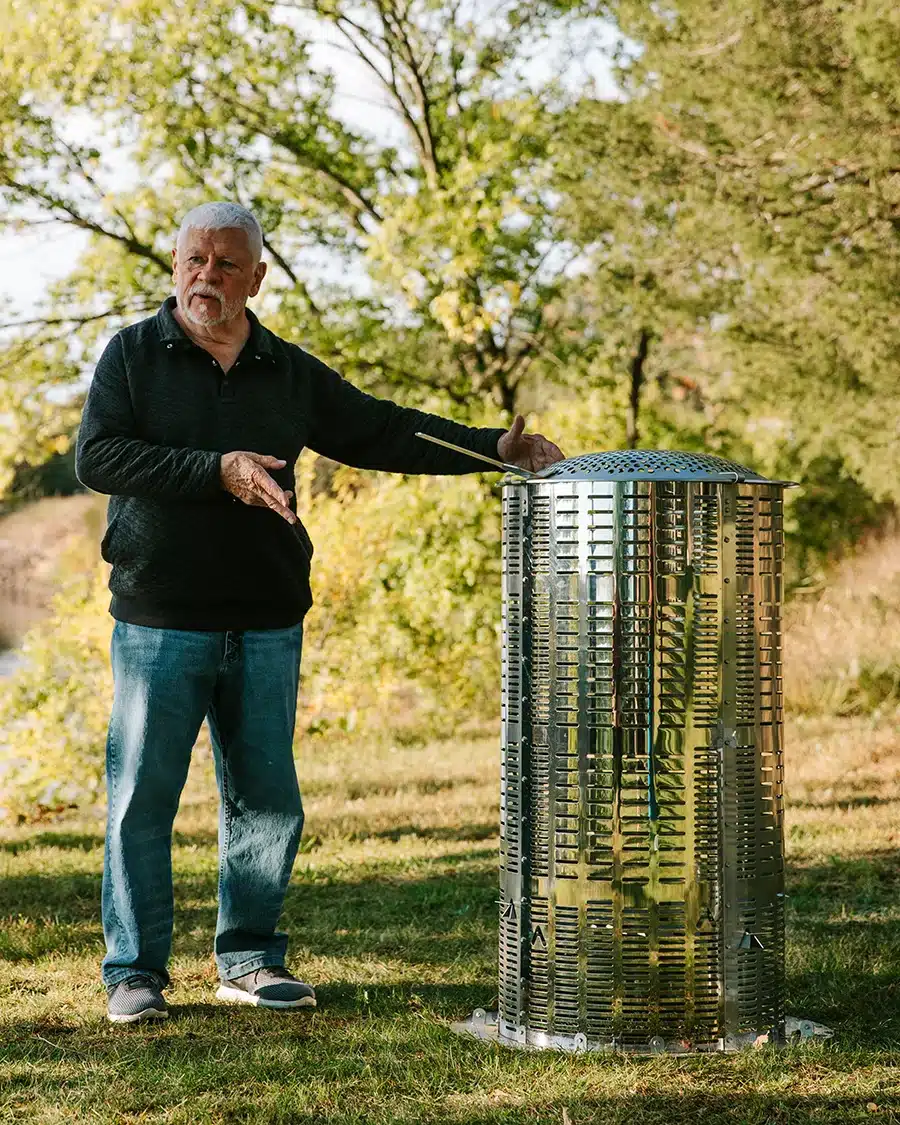
Before lighting any fire, make sure the outdoor incinerator is fully assembled, and all screws, grates, and components are properly secured. Loose or missing components can affect both stability and airflow during operation.
When in doubt, always refer back to your assembly instructions to ensure all components are properly secured before lighting a fire.
Load Materials Correctly
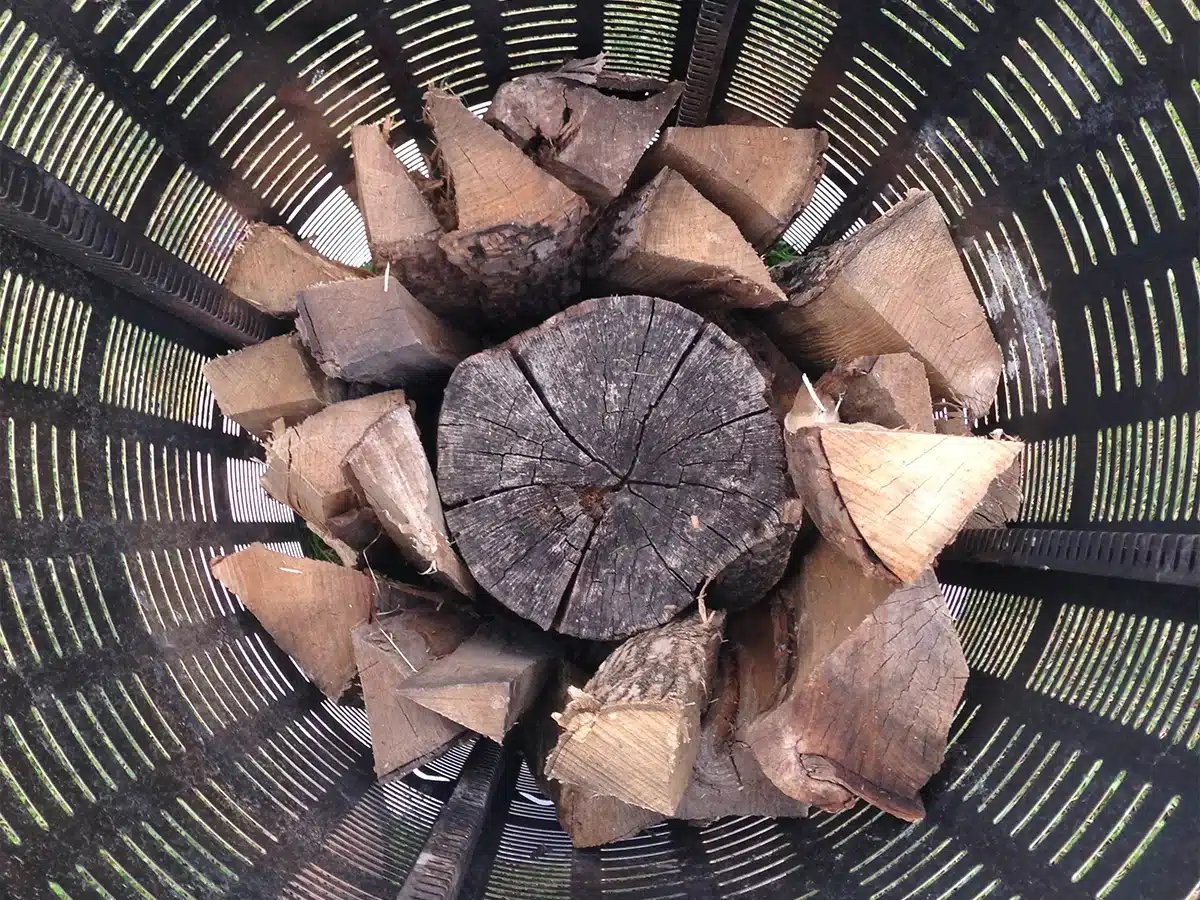
Avoid packing materials too tightly inside the burn barrel. Airflow plays an important role in how consistently materials burn, especially when working through cardboard, paper products, or yard debris.
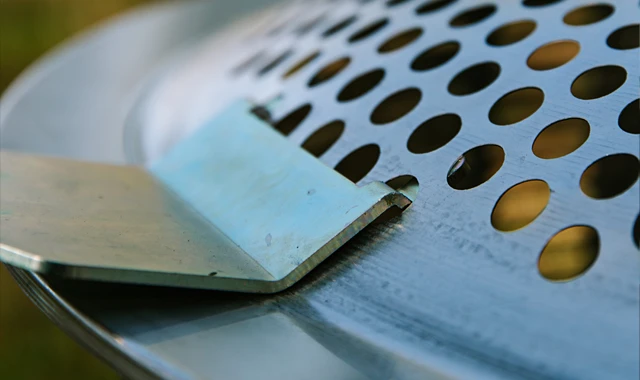
Angle grates help hold materials above the bottom of the incinerator, allowing air to circulate beneath the fire during operation. Looser loading patterns also allow oxygen to move more freely throughout the unit, helping reduce excessive smoke or smoldering.
Light From the Top
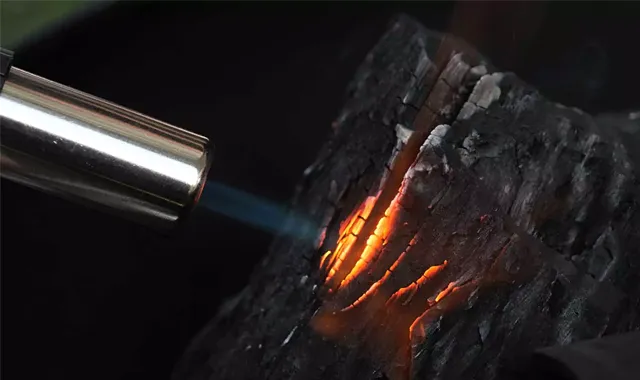
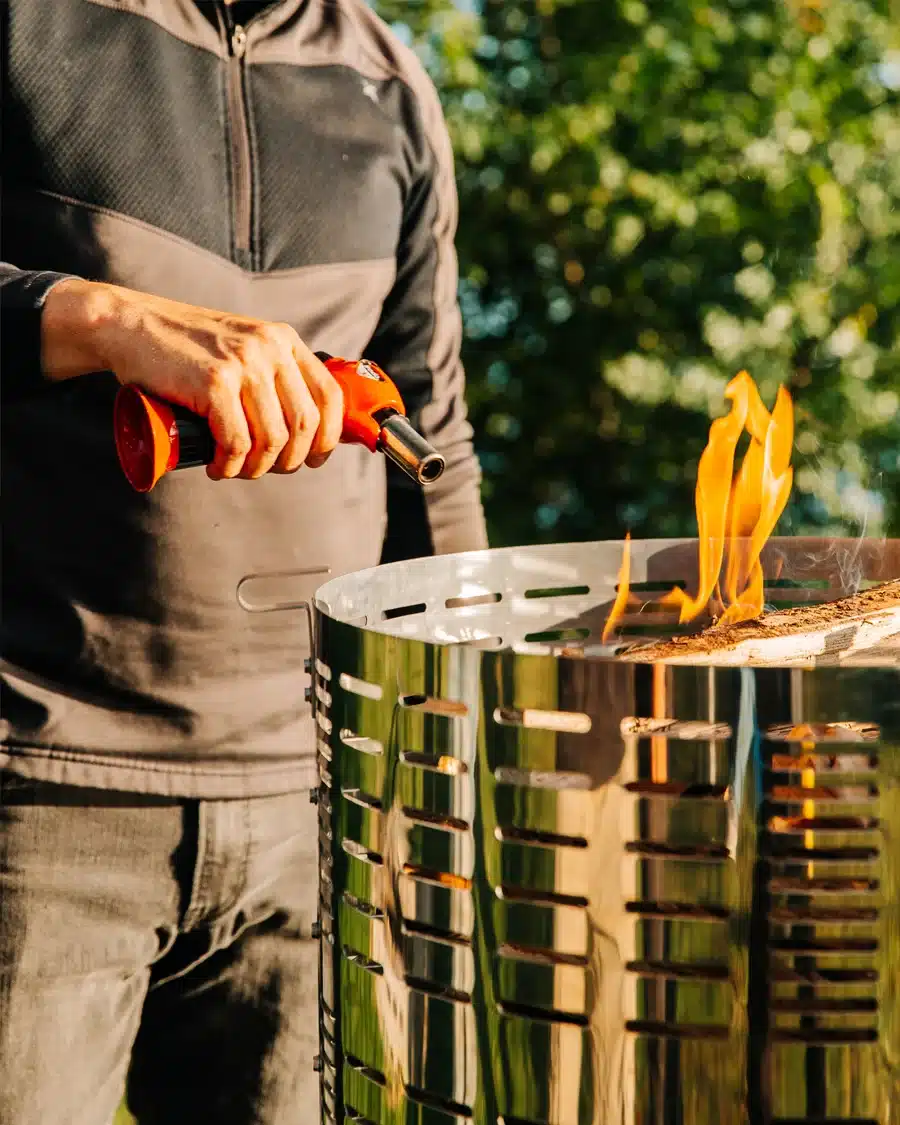
We recommend lighting materials from the top down rather than from the bottom of the pile. Top-down burning helps the fire work downward through the material more steadily while allowing smoke and gases to burn off more effectively during operation.
Keep the Cover in Place
The cover should remain in place at all times the incinerator is actively burning. Position the cover dome-side up and ensure it remains properly seated during operation.
Keeping the cover in place reduces the risk of sparks or burning debris escaping the unit and helps maintain more consistent airflow inside the incinerator.

Never Use Flammable Liquids
Never use gasoline, lighter fluid, diesel fuel, or similar accelerants to start or intensify a fire inside a burn barrel. Flammable liquids can create sudden flare-ups and unpredictable burning conditions that become difficult to control quickly.
Never Leave the Fire Unattended
Outdoor burning should always be monitored from start to finish. Keep children and pets away from the burn area and continue watching conditions throughout the burn.
Even smaller fires can shift quickly if winds change or materials inside the unit settle unexpectedly.
Ash Cleanup and Post-Burn Safety
A burn isn’t finished the moment the flames die down. Proper ash cleanup and post-burn monitoring help reduce unnecessary risks after the fire is out.
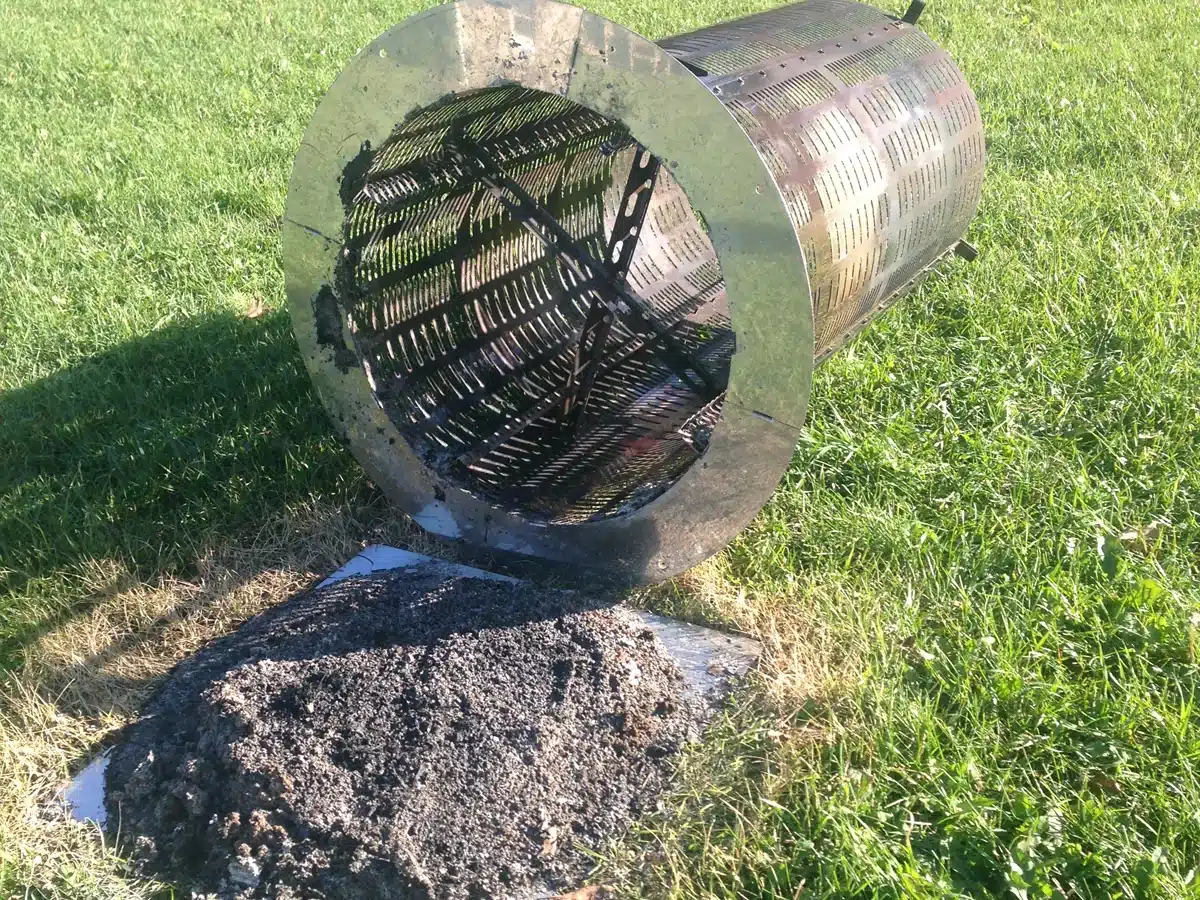
- Monitor Ash Levels: Ashes should never be allowed to build up to the bottom of the angle grates, as excessive buildup can restrict airflow inside the incinerator.
- Let Ashes Cool Completely: Ashes can remain hot for much longer than expected and may require one or more full days to cool completely. Whenever possible, wait at least 24 hours before disposal.
- Use Water if Needed: If the unit needs to be moved sooner, first fully extinguish the ashes with water, then continue monitoring the area for any remaining hot spots or smoldering material.
- Dispose of Ashes Properly: Dispose of ashes according to local waste regulations. Burned waste ashes should not be placed directly into gardens or landscaping beds.
Taking the time to fully cool, monitor, and properly dispose of ashes helps keep the burn area safer long after the fire itself is out.
Burn Right Basics
Keep these helpful tips in mind for a safe, secure, and long-lasting incinerator setup:
Tools Needed for Assembly
- Leather gloves.
- Cordless drill or impact driver.
- 5/16-inch hex drive.
- Two pliers.
Assembly Overview
- Secure the stainless steel panels together.
- Attach the base ring to stabilize the unit.
- Install the cover clips.
- Tighten seam screws once aligned.
- Insert the angle grates to form an “X.”
- Add the ash catcher and cover.
Assembly Tips
- Stainless steel screws require steady pressure and proper torque.
- Total assembly time is roughly 40 to 50 minutes, depending on model size.
Quick Safety Checklist Before Lighting
- Unit is fully assembled.
- Burn area is level and clear.
- Weather and burn restrictions have been checked.
- Water hose is nearby.
- Only approved dry materials are loaded.
- Children and pets are away from the area.
- Cover is ready to remain in place during burning.
Burn Barrel Safety with Burn Right
Safe burning starts with proper setup, approved materials, and responsible operation. When used correctly, a burn barrel can provide a more controlled way to reduce yard debris, cardboard, and non-recyclable paper products directly on your property.
There are many uses for incinerators, but no matter what materials you’re working with, taking a few minutes to review safety practices before each burn can help keep the process safer and more manageable.
Burn Right incinerators are designed to support safer outdoor burning through durable stainless steel construction and airflow-focused design features that help maintain a steadier burn.
If you have questions about Burn Right incinerators, assembly, or safer outdoor burning practices, contact us today to learn more.