
Over the past weekend, strong storms moved across large parts of the country, bringing severe weather that left some communities dealing with real damage.
From confirmed tornadoes in the Midwest to heavy rain, snow, and thunderstorms further west, many homeowners are stepping outside to assess the aftermath.
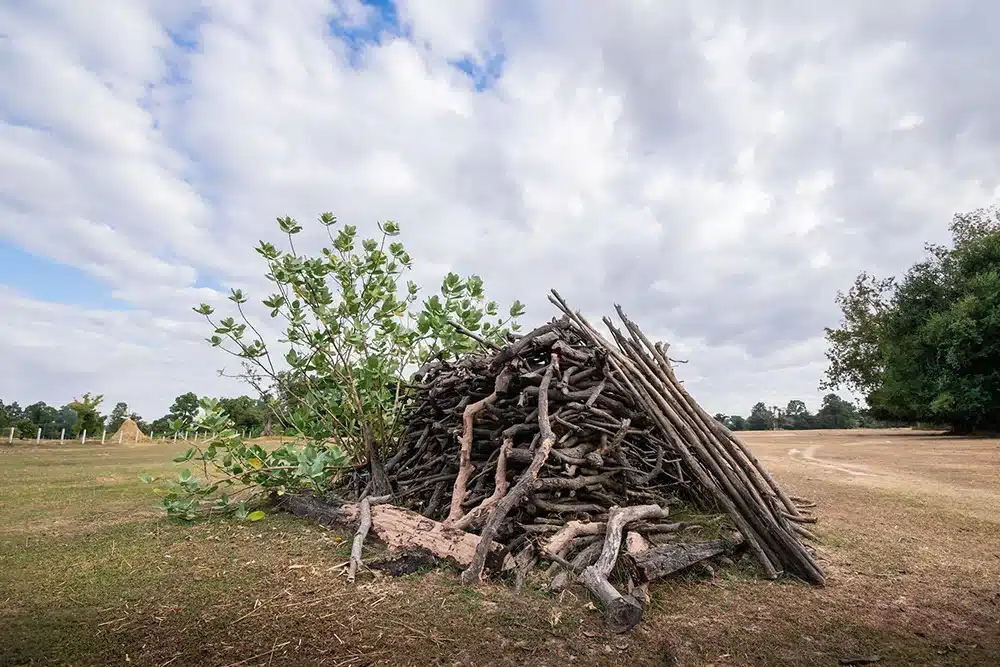
In many cases, that first look tells you everything you need to know. Downed branches, broken limbs, and debris spread across areas that were clear just days before. It’s overwhelming, especially when you’re not sure where to start.
With a steady approach and a few basic tools on hand, the process becomes much more manageable.
5 Tools You Need for Fast Storm Damage Cleanup
Before you start grabbing at tools, take a minute to protect yourself.
Storm debris can include sharp branches, unstable materials, and hidden hazards like downed power lines and gas leaks that aren’t obvious at first glance.
It’s important to stabilize your surroundings and document the damage, including potential hazards, as the first step before cleaning up.
Once you’ve completed this step, you’re ready for cleanup.
Storm cleanup doesn’t require specialized equipment, but having a few dependable tools on hand makes it easier to cut, gather, move, and manage debris without turning it into a massive project.
Here are five tools that can help you get started.
1. Safety Gear
Safety gear helps reduce the risk of cuts, scrapes, and more serious injuries, while also making the work more comfortable.
- Gloves: Protect your hands from splinters, sharp edges, and rough materials.
- Eye protection: Shields your eyes from dust, debris, and snapping branches.
- Sturdy boots: Provide traction and protect your feet from heavy or sharp objects.
- Long sleeves and pants: Add a layer of protection against scratches and irritants.
- Hearing protection (if using power tools): Helps reduce noise when cutting or trimming.
Starting with the right gear allows you to work more confidently and avoid unnecessary setbacks early in the cleanup process.
2. Cutting Tools
Once the area is safe, the next step is breaking down larger debris into manageable pieces. Most storm damage comes down to fallen branches and limbs that need to be trimmed before they can be moved or cleared.
A small set of cutting tools can handle nearly all of this work, whether you’re dealing with light brush or heavier limbs.
- Hand pruners: Best for small branches and quick trimming.
- Loppers: Provide extra leverage for thicker limbs that are still within reach.
- Hand saw: Useful for cutting larger branches without needing power equipment.
- Chainsaw (for experienced users): Helps with heavier limbs and larger cleanup tasks.
Cutting debris down to size not only makes it easier to move, but also helps keep your piles more organized as you work through the cleanup.
3. Rake and Shovel
After larger debris is cut and moved, smaller materials are usually left behind. Leaves, twigs, and loose debris can cover the ground, making it harder to see what’s been cleared and what still needs attention.
A sturdy rake helps pull everything into manageable piles so you can clear each section of the yard more thoroughly. For heavier or wet debris, a shovel can be useful for scooping and moving material that’s difficult to rake. It can also help with mud, roof grit, or small areas where debris has built up and compacted.
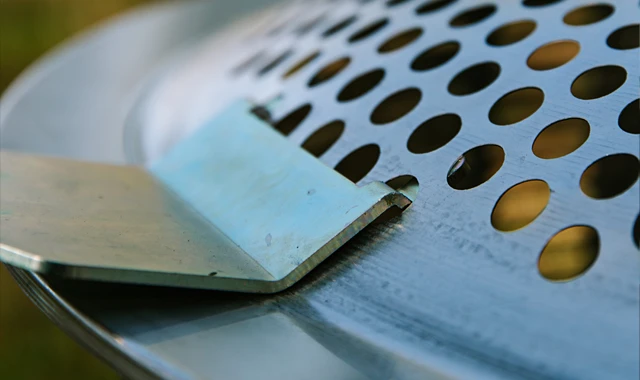
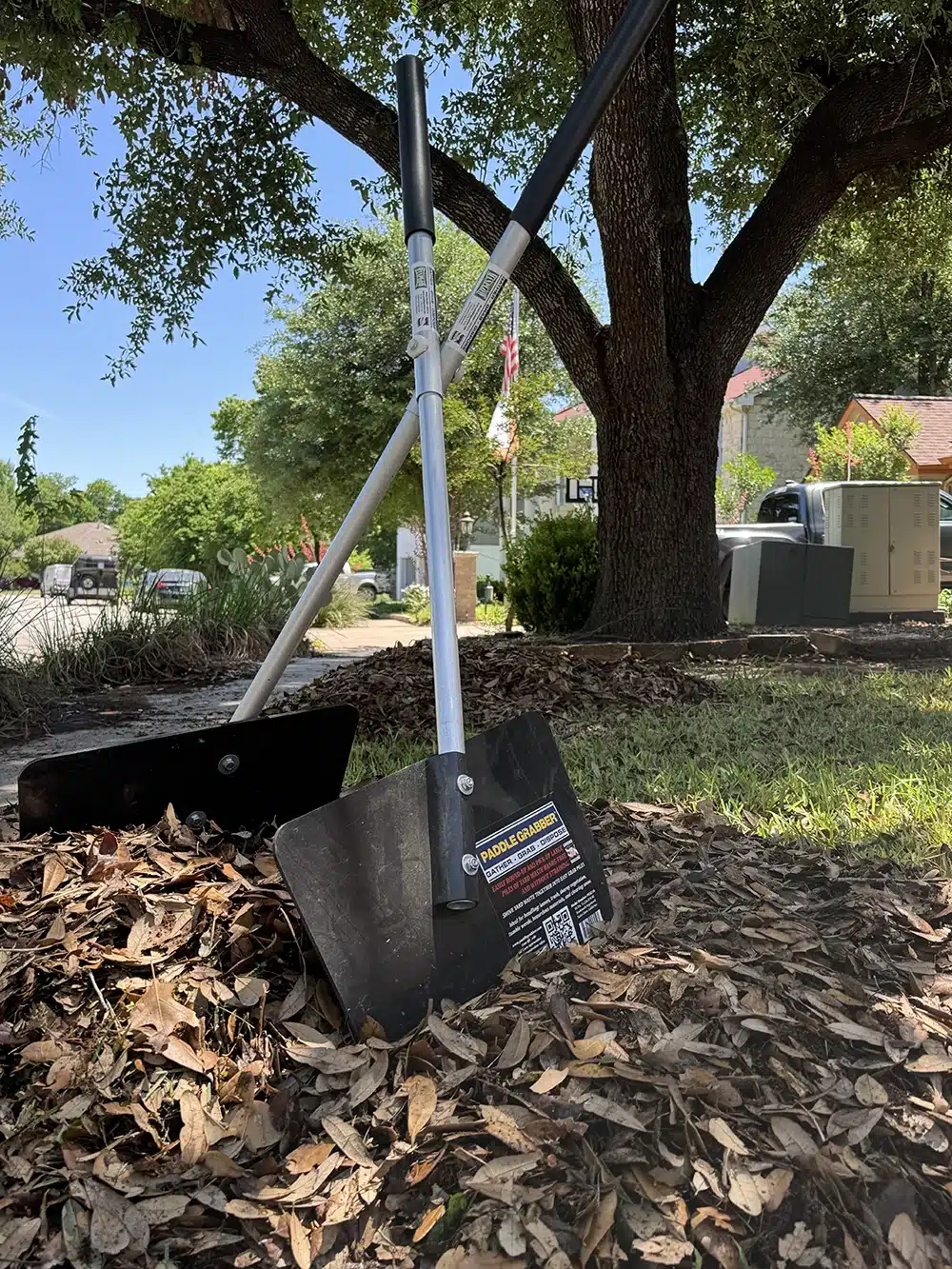
Another favorite tool of mine for handling smaller debris is the paddle grabber. Its lightweight and durable design makes yard removal easy without bending or straining.
4. Tarp and Yard Cart
Moving debris is usually what takes the most time during storm cleanup. Carrying armfuls of branches or making repeated trips across the yard can quickly slow things down.
A heavy-duty tarp can serve as a simple drag surface to pull branches, leaves, and loose debris from one area to another. It’s especially useful when you’re working across larger sections of the yard.
For heavier loads, a wheelbarrow or yard cart makes it easier to move cut branches and logs without overexerting yourself. It also helps keep debris contained as you move it to a designated pile.
5. Home Incinerator
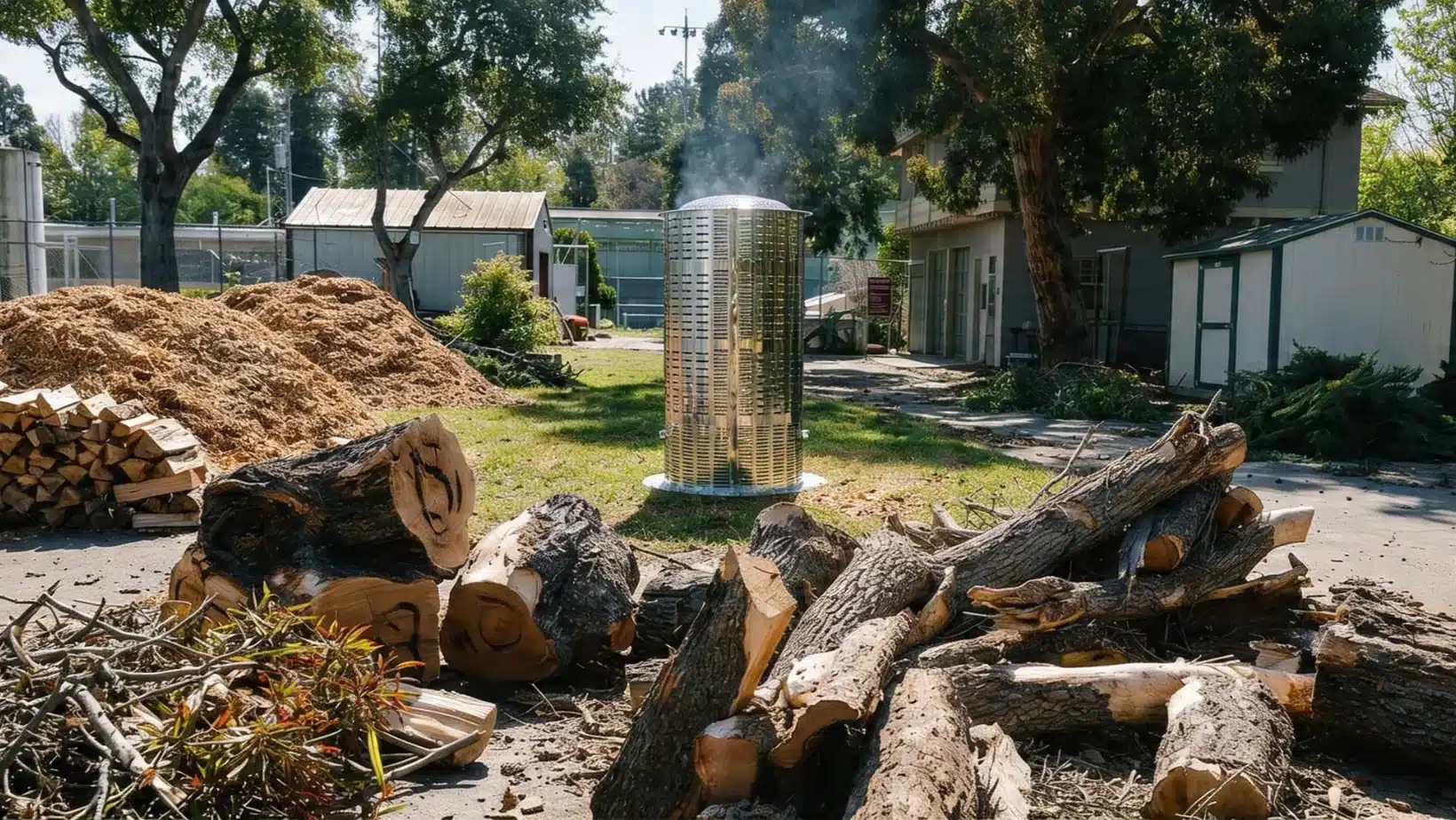
Once debris is cut, gathered, and piled, the next step is deciding how to reduce and manage it over time. For smaller branches, twigs, and dry leaves, a smaller contained burn unit can be a practical solution, while larger incinerators can handle heavier debris as needed.
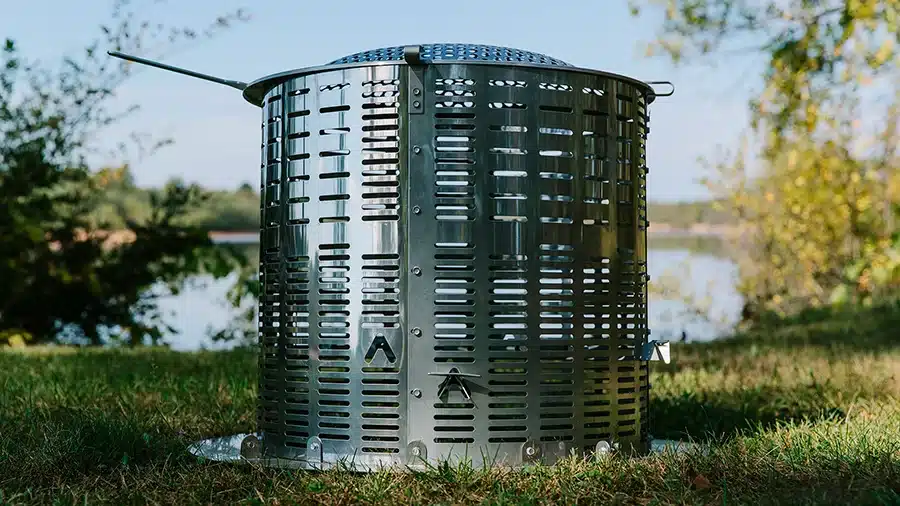
A home incinerator gives you a way to work through debris gradually, instead of letting piles sit or making multiple trips to dispose of it. By safely burning in small, controlled batches, you can reduce volume while keeping the process manageable.
Placement and material selection are important.
- Always use your incinerator on a non-flammable, level surface with clear space around it.
- Only burn dry, appropriate materials such as untreated wood, leaves, and paper products, and
- Avoid anything that could produce harmful fumes or unsafe conditions.
When used responsibly, a home incinerator can be a steady, reliable way to manage storm debris as you work through cleanup at your own pace.
Burn Right Incinerators for At‑Home Storm Debris Cleanup
Contained home incinerators can be a helpful part of storm damage cleanup, especially when you’re working through piles of branches, twigs, and dry leaves. When used responsibly, they offer a controlled way to reduce debris on your property over time.
Burn Right® incinerators are built to provide a durable, reliable option you can count on when severe weather leaves debris behind.
Contact us today to learn more or find the right unit for your needs.